
Spring in Buffalo is a challenging season for drivers. As the snow melts and temperatures rise, potholes and uneven pavement appear across city streets and highways. These hazards often lead to sudden stops and swerving, which can trigger rear-end collisions. Arthur L. Pressman, Attorney at Law, frequently represents drivers facing tickets for these incidents, helping them navigate the complexities of traffic law and avoid unfair penalties. The combination of leftover ice, debris, and potholes makes it easy for even the most attentive driver to encounter unexpected hazards that require split-second decisions, increasing the likelihood of collisions and traffic citations.
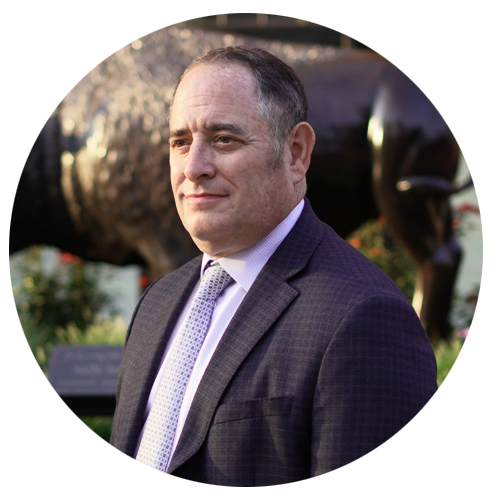
Arthur Pressman focuses in the areas of DWI, traffic law and criminal defense.


Why Rear-End Collisions Happen More in Spring 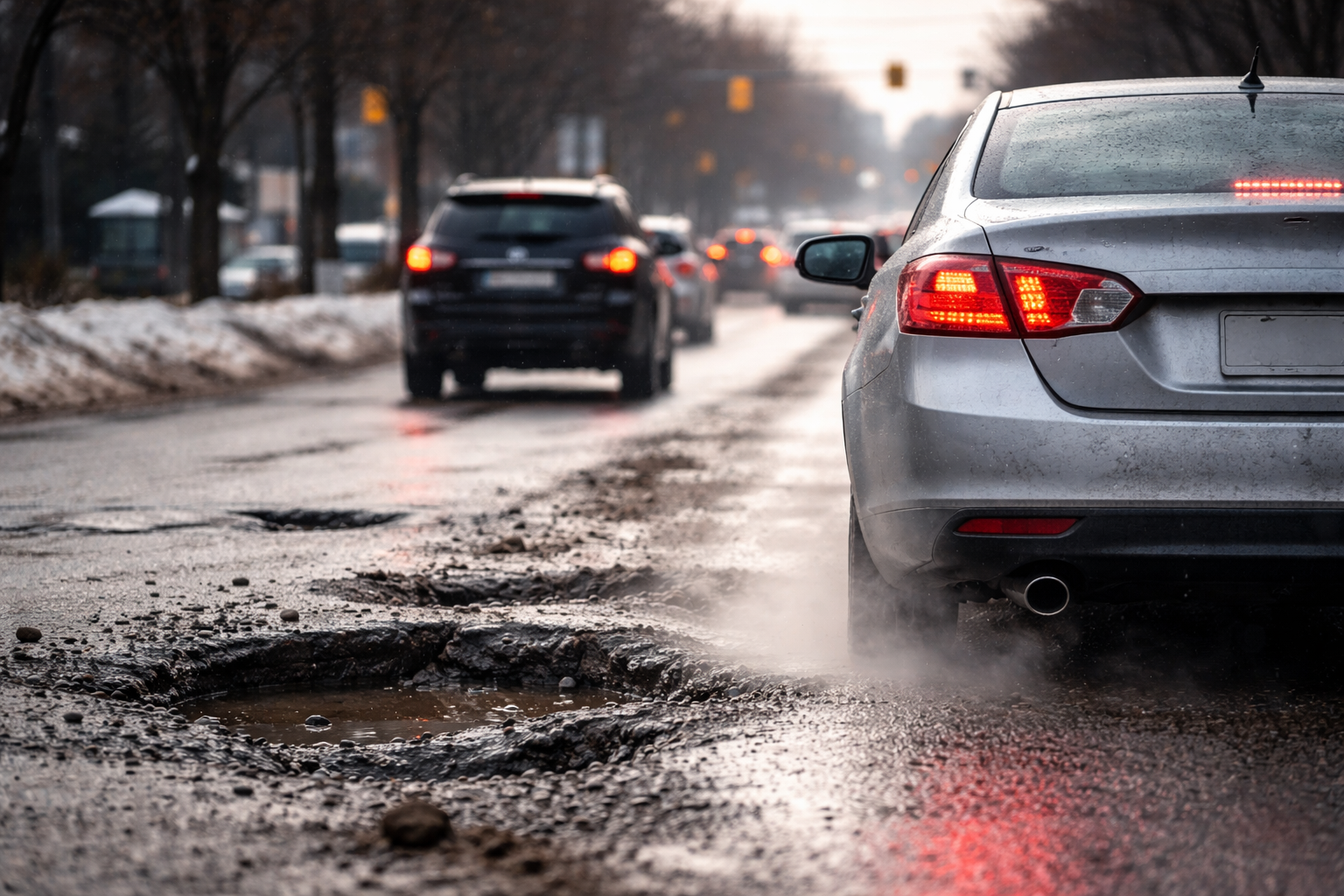
Rear-end collisions are among the most common traffic accidents in Buffalo, particularly during the spring thaw. Drivers approaching potholes may brake suddenly or swerve to avoid damage to their vehicles. These quick maneuvers often surprise drivers behind them, who may not have enough time to react safely. New York law typically presumes the driver in the rear is at fault for hitting a vehicle ahead. This legal assumption is based on the principle that drivers must maintain a safe following distance at all times. However, exceptions exist, especially when the lead driver’s sudden stop was unavoidable due to road hazards or other emergency circumstances. Understanding the nuance in these situations is critical, as courts often weigh both driver behavior and external conditions when assigning fault.
Potholes and Their Legal Impact
Potholes are more than just a nuisance—they can play a significant role in traffic citations and liability. When a driver suddenly brakes to avoid a pothole, it may be difficult for the trailing driver to stop in time. In such cases, traffic courts often examine:
- Whether the lead driver’s response was reasonable under the circumstances
- The distance maintained by the following driver
- Evidence of road conditions, such as photographs or municipal maintenance records
Documenting Evidence After an Accident
Collecting accurate evidence immediately after an incident is essential. Dashcam footage, photographs of the pothole and surrounding area, and witness statements can significantly strengthen a driver’s case. Police reports should also note the presence of road hazards, weather conditions, and the positions of vehicles at the time of the collision. In many cases, this evidence can support claims that a sudden stop was necessary and that the trailing driver’s ticket should be reduced or dismissed. Arthur L. Pressman, Attorney at Law, has successfully used detailed documentation to defend clients in these scenarios, demonstrating the importance of comprehensive evidence in traffic disputes.
Highly recommended Arthur pressman. I don’t live in Buffalo New York but while visiting my family there from Florida. I got pulled over while driving on a, suspended license in Florida. They arrested me and gave me a court date to appear in court and due to me living out of state I just could not afford to go back and forth to buffalo from Florida so that’s when I hired Arthur Pressman. He made sure to handle everything for me and kept me informed with what was going on. I received no points no penalties and the case was dropped. Thank you Arthur pressman your the best. Would definitely recommend you to family and friends. Crystal B.
Traffic Ticket Liability and Comparative Negligence
While rear-end collisions often result in tickets for the driver in the rear, New York law allows for comparative negligence. This means fault can be shared between drivers based on their actions and the circumstances leading to the accident. For instance, if the lead driver ignored traffic signals or made an unsafe maneuver while avoiding a pothole, a portion of the liability may shift. Courts consider all factors, including vehicle speeds, reaction times, and environmental hazards, to determine how responsibility should be allocated. Understanding these legal principles is crucial for drivers who wish to challenge a citation or protect their driving record.
Preventing Tickets and Reducing Risk
Proactive measures can reduce the likelihood of rear-end collisions and traffic tickets in spring. Maintaining a safe following distance, reducing speed in areas known for potholes, and using headlights during low visibility conditions are effective strategies. Drivers should also remain alert to road conditions, watch for sudden stops ahead, and avoid distractions. In the event of an unavoidable stop, recording dashcam footage and documenting the situation can provide crucial evidence if a ticket is issued. These precautions not only enhance safety but also protect drivers from potential legal repercussions.
How an Attorney Can Help
A skilled traffic attorney can make a significant difference in cases involving rear-end collisions caused by sudden stops or road hazards. Arthur L. Pressman, Attorney at Law, assists clients by:
- Analyzing police reports and traffic citations for legal accuracy
- Presenting evidence of road hazards, weather, and driving conditions in court
- Negotiating reduced fines or dismissal of tickets
- Advising on DMV points, insurance impacts, and long-term record consequences
Will an Attorney Save Me Money? Do I Need to Go to Court?Related Videos
Internal Resources for Drivers
Drivers facing tickets or accidents can find guidance on related topics through the firm’s resources, including:
- Buffalo Traffic Ticket Attorney Explains How Hiring a Lawyer Will Save You Time
- Buffalo Traffic Ticket Lawyer Discusses If
- Buffalo DWI Lawyer Discusses Driving Records
Practical Advice for Drivers
To protect yourself during spring driving in Buffalo, consider these recommendations:
- Anticipate road hazards and adjust speed accordingly
- Maintain adequate distance from the vehicle ahead
- Record sudden stops and pothole locations using a dashcam or smartphone
- Report dangerous road conditions to local authorities for documentation
- Contact an attorney promptly after receiving a ticket to explore defenses
Understanding Court Considerations
When a ticket is issued for a rear-end collision, traffic courts evaluate multiple factors: the driver’s speed, following distance, visibility, and whether the stop was reasonable given the circumstances. Evidence showing that the lead driver acted appropriately in response to a pothole or hazard can be decisive. Courts often consider expert testimony, photographs, and eyewitness accounts to assign liability accurately. Drivers who prepare and present evidence effectively are more likely to achieve favorable outcomes, reducing fines, points, or insurance penalties.
Case Results
Spring in Buffalo increases the risk of rear-end collisions due to potholes and sudden stops. While the law presumes the rear driver is at fault, evidence of unavoidable road hazards, safe driving practices, and proper documentation can influence fault determination. Working with Arthur L. Pressman, Attorney at Law, can help drivers protect their records and navigate traffic tickets. A knowledgeable attorney will evaluate the situation, gather evidence, and present a compelling defense, ensuring your rights are safeguarded while addressing any traffic citations. Drivers should remain vigilant, maintain safe distances, and consult legal counsel immediately after incidents to reduce risk and potential penalties.
To learn more about this subject click here: How Much Is My Car Accident Claim Worth?

|
|