
If you are pulled over for a suspected DWI after a spring festival or concert in Buffalo, New York, understanding the legal process can make a significant difference in protecting your rights. Arthur L. Pressman, Attorney at Law, provides experienced guidance for individuals facing these situations. From the initial traffic stop to arraignment and potential penalties, this guide outlines what to expect, common legal procedures, and how strategic representation can help mitigate consequences. A DWI charge in New York carries serious implications for your driving privileges, employment, insurance rates, and personal record, making professional counsel critical from the outset.
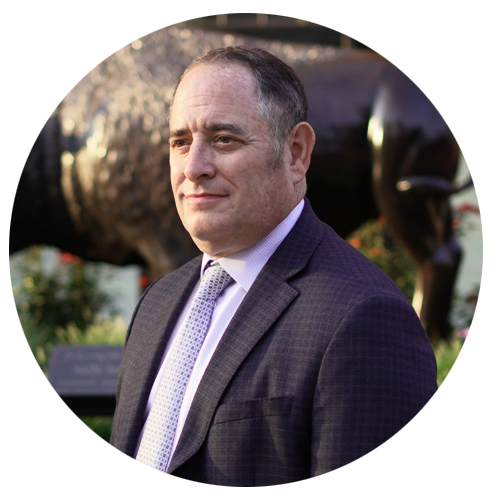
Arthur Pressman focuses in the areas of DWI, traffic law and criminal defense.


Understanding a DWI Traffic Stop 
When officers suspect impaired driving, particularly near busy festival or concert areas, they are trained to look for signs of alcohol or drug influence. The process usually begins with a stop, during which the officer may ask for your license, registration, and insurance while observing your demeanor, speech, and coordination. Field sobriety tests may be administered to assess impairment, and officers may request chemical tests like breath, blood, or urine tests. It is important to understand your rights at this stage: while compliance is required for identification and certain chemical tests under New York’s implied consent law, you are not obligated to answer questions beyond basic identification and you may politely decline field sobriety tests. Refusal to take these tests before an arrest cannot be used as grounds for immediate arrest, but post-arrest refusals of chemical tests can lead to additional penalties, including automatic license suspension.
Initial Consequences Following an Arrest
If a DWI arrest occurs, law enforcement will typically take you to a processing facility where charges are formally filed. You may face vehicle impoundment and will be scheduled for arraignment, usually within 24 hours. The type of charges and penalties depends on factors such as your blood alcohol content (BAC), prior convictions, and whether there were aggravating circumstances like accidents, injuries, or children in the vehicle. First-time offenders may face fines, license suspension, mandatory alcohol education programs, and possible jail time. Subsequent offenses or higher BAC levels increase the severity of these penalties. Immediate legal representation is critical at this stage, as early intervention can impact the plea options available and the likelihood of negotiating favorable terms.
I was advised by a mutual acquaintance to contact Mr. Pressman following my DWI that I received on December 28, 2015. This was the best advice that I could have been given. He was available immediately to speak with. I was put at ease after speaking with him. It was my first DWI and I had no idea what to expect. It was an isolated case of making a very foolish decision to drive. I had so much anxiety and fear of the unknown. Throughout my whole case Mr. Pressman was very reassuring and kept a positive attitude about what my outcome was going to be. He was available several times when I had random questions and never made me feel like an inconvenience. He was right! My case ended up being reduced to a violation from a misdemeanor and now I can finally begin to have my life back to normal. It was a hard lesson to learn but with the right attorney by your side the transition will be easier. Anita D.
The Role of Chemical Testing
New York law relies heavily on chemical tests to establish impairment. Breath tests, typically conducted via an Intoxilyzer or similar device, are common, while blood tests are required in more serious cases or when accidents occur. Urine tests may be administered under specific conditions. Accuracy, calibration, and proper administration are essential; errors in these areas can be leveraged by a skilled attorney to challenge the validity of test results. Reviewing whether the officer followed proper procedures, whether devices were recently calibrated, and if legal standards were met can create opportunities to minimize or even dismiss charges.
Steps in the Legal Process
After an arrest, the process involves several stages that may influence the outcome of a DWI case:
- Arraignment: A judge informs the defendant of charges, and a plea may be entered. Early representation can guide strategy and ensure informed decisions.
- Pre-trial Motions: Defense attorneys can challenge the legality of the stop, the collection of evidence, or the administration of chemical tests.
- Negotiation or Trial: Many cases are resolved through plea agreements, but if the evidence is weak or rights were violated, a trial may be pursued.
- Sentencing: Convictions carry penalties determined by prior records, BAC, and circumstances such as injuries, children in the vehicle, or accidents. Penalties may include fines, jail time, license suspension, mandatory education, or community service.
How Representation Protects Your Rights
Engaging an attorney like Arthur L. Pressman can significantly influence your case. Experienced counsel can assess the details of your stop and arrest, identify weaknesses in the prosecution’s evidence, advocate for reduced charges, and handle negotiations with prosecutors. Representation is also critical for navigating DMV procedures related to license suspensions and hardship licenses. Effective counsel ensures procedural errors or violations of your rights do not become overlooked and that your defense is fully developed from the earliest stage of your case.
Choosing a DWI Lawyer Cost of a DWI Attorney Our Buffalo DWI lawyer explains DWI, DWAI, aggravated DWI, and the possible penalties. A Buffalo DWI lawyer can review the court and DMV issues in your case. Read about hardship-license eligibility and underage drinking penalties. Speak with a Buffalo DWI lawyer about the stop, testing, and available defenses. Call (716) 517-4250 for a free consultation.Related Videos
Understand the charge
Protect your ability to drive
Discuss your next step
Considerations Specific to Festivals or Concerts
High-attendance events with alcohol increase the risk of DWI enforcement. Officers often conduct sobriety checkpoints near event venues and popular traffic routes. Individuals should plan ahead, using designated drivers, taxis, or ride-sharing services. Even small amounts of alcohol can result in charges if impairment is detected. Remaining aware of your consumption limits and planning transportation can prevent legal complications entirely.
Rights During a DWI Stop
Understanding your rights is essential:
- You have the right to remain silent regarding the circumstances of alcohol or drug consumption.
- You may request an attorney before answering any potentially incriminating questions.
- Refusal of pre-arrest field sobriety tests cannot trigger an arrest, but post-arrest chemical test refusal carries penalties under implied consent laws.
Case Results
Potential Long-Term Effects of a DWI Conviction
A conviction may impact multiple areas of your life beyond immediate fines and license suspension. Insurance rates typically increase significantly, sometimes by hundreds or thousands of dollars annually. Employment opportunities may be affected, particularly positions that require driving or security clearance. Travel may be restricted, as some countries deny entry to individuals with certain criminal convictions. Prompt legal action and knowledgeable defense strategies can minimize these long-term repercussions.
Preparing for a DWI Stop
If you are pulled over near a festival or concert, take steps to protect yourself: remain calm, provide necessary identification, and avoid admitting to drinking more than necessary. Exercise your right to consult an attorney promptly. Do not make statements about alcohol consumption that could be used against you in court. Understanding the procedure and having a plan can reduce anxiety and help safeguard your legal rights.
Why Immediate Legal Assistance Matters
Time is critical in a DWI case. Early legal intervention can ensure that all aspects of the stop, arrest, testing, and charges are evaluated for errors or rights violations. Arthur L. Pressman has decades of experience defending clients in Buffalo and Western New York, offering trial-tested strategies and deep familiarity with Erie County courts. Prompt consultation allows your attorney to begin protecting your rights immediately, including evaluating evidence, negotiating with prosecutors, and planning a defense tailored to the specifics of your case.
A DWI arrest after attending a Buffalo festival or concert can feel overwhelming, but knowing what to expect and having experienced legal representation can make a significant difference. From the initial traffic stop to potential trial or plea negotiations, understanding the process, your rights, and available defense strategies is critical. Arthur L. Pressman, Attorney at Law, provides the guidance, knowledge, and advocacy needed to navigate these complex proceedings effectively, helping to protect your driving privileges, employment, and future.
Disclaimer: This information is for educational purposes only and is not legal advice. Consult an attorney about your specific situation.
To learn more about this subject click here: Understanding a First-Time DWI Offense in New York

|
|