
Wet autumn roads can make everyday driving decisions more serious in Buffalo, Williamsville, and across Western New York. Rain, standing water, wet leaves, glare, reduced visibility, and slippery pavement can affect stopping distance, traction, and the amount of space you need around other vehicles.
Those conditions do not automatically turn a traffic violation into reckless driving. New York Vehicle and Traffic Law Section 1212 defines reckless driving as driving or using a vehicle in a way that unreasonably interferes with the free and proper use of a public highway or parking lot, or unreasonably endangers people using those areas. Reckless driving is a misdemeanor.
If you receive a reckless driving ticket after a wet-weather stop, the surrounding conditions may become part of the case. The officer’s observations, your speed, your following distance, lane movements, traffic conditions, visibility, video, photographs, and other evidence may all matter.
Arthur L. Pressman, Attorney at Law represents drivers facing reckless driving and traffic charges in Buffalo, Williamsville, Western New York, and nearby areas. Arthur Pressman has practiced in Buffalo since 1988 and has more than 35 years of experience handling traffic, DWI, and criminal defense matters.
Wet pavement can change the context of a traffic stop, but it does not replace the prosecution’s burden to prove reckless driving.
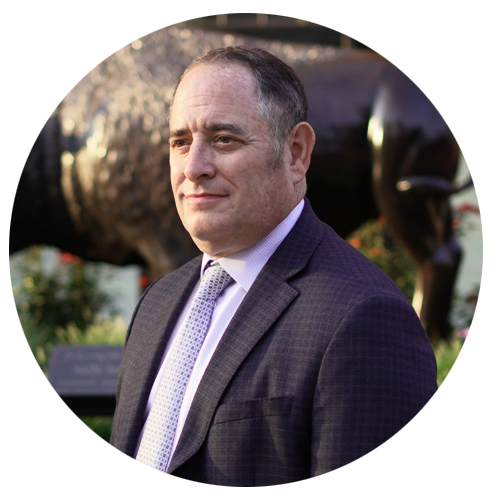
Arthur Pressman focuses in the areas of DWI, traffic law and criminal defense.


Can Wet Roads Turn a Traffic Stop Into a Reckless Driving Case? 
Yes. Wet roads can contribute to a reckless driving allegation when the officer believes your driving created an unreasonable danger, but wet pavement by itself does not establish reckless driving.
New York courts have explained that reckless driving requires something more than mere negligence. Whether conduct rises to reckless driving depends on the surrounding facts and any aggravating circumstances.
On a wet autumn road, those facts can include your speed, traffic volume, visibility, lane position, following distance, road design, standing water, wet leaves, and the way your vehicle moved before the stop. A speed that might appear manageable on a dry road can be viewed differently during heavy rain or on leaf-covered pavement. A following distance that leaves little room on a dry road may become more significant when the pavement is slippery.
New York’s driver guidance also warns that wet leaves can be slippery and hazardous and recommends reducing speed and increasing following distance in bad weather.
You can learn more about the firm’s reckless driving practice here:
https://www.arthurpressmanlaw.com/criminal-defense/reckless-driving/
Highly recommended Arthur pressman. I don’t live in Buffalo New York but while visiting my family there from Florida. I got pulled over while driving on a, suspended license in Florida. They arrested me and gave me a court date to appear in court and due to me living out of state I just could not afford to go back and forth to buffalo from Florida so that’s when I hired Arthur Pressman. He made sure to handle everything for me and kept me informed with what was going on. I received no points no penalties and the case was dropped. Thank you Arthur pressman your the best. Would definitely recommend you to family and friends. Crystal B.
Why Autumn Road Conditions Matter in Buffalo and Western New York
Western New York drivers can encounter changing conditions during autumn. Rain can reduce visibility. Wet leaves can make pavement slippery. Standing water can increase the risk of hydroplaning. Shaded areas can remain wet after other sections of the road begin to dry.
These conditions can affect how an officer describes the driving conduct that led to a stop. A reckless driving allegation may involve claims such as:
- Driving too fast for the existing road or weather conditions
- Following another vehicle too closely on wet pavement
- Making abrupt or repeated lane changes in rain
- Passing when visibility is limited
- Losing control after aggressive acceleration, braking, or turning
- Driving through standing water without reducing speed
- Combining speeding with other unsafe maneuvers
A skid or brief loss of traction does not automatically prove reckless driving. Wet pavement, standing water, worn tires, road debris, or another roadway condition may affect how a vehicle responds. The full sequence of events matters.
New York Requires Drivers to Adjust Speed to Existing Conditions
Reckless driving is not the only charge that can arise from a wet-weather traffic stop.
New York Vehicle and Traffic Law Section 1180 requires you to drive at a speed that is reasonable and prudent under the existing conditions and hazards. The statute also directs drivers to use an appropriately reduced speed when special hazards exist because of weather or highway conditions.
That means the posted speed limit does not answer every question about safe speed. You can still face a speed-related allegation if an officer believes your speed was not reasonable for the conditions, even when you were below the posted maximum.
New York Vehicle and Traffic Law Section 1129 also prohibits following another vehicle more closely than is reasonable and prudent, with consideration given to vehicle speed, traffic, and highway conditions.
Depending on the facts, a wet-weather stop can involve allegations such as:
- Speeding
- Following too closely
- Unsafe lane changes
- Improper passing
- Failure to signal
- Failure to obey a traffic control device
- Reckless driving
For broader information about New York traffic charges, visit:
https://www.arthurpressmanlaw.com/criminal-defense/traffic-tickets/
Case Results
Does Speeding on a Wet Road Automatically Mean Reckless Driving?
No. Speeding and reckless driving are separate offenses.
A speeding ticket does not automatically establish reckless driving. New York courts have stated that reckless driving requires more than mere negligence and often involves aggravating acts or circumstances beyond a single rule-of-the-road violation.
Speed can still be a major part of a reckless driving case. The prosecution may rely on speed together with facts such as limited visibility, weaving, unsafe passing, close following, crossing lane lines, heavy traffic, or other conduct that allegedly created an unreasonable danger.
The prosecution still must prove the elements of Vehicle and Traffic Law Section 1212. Weather and road conditions can provide context, but they do not substitute for proof of what you allegedly did.
If speed is part of your ticket, you can review the firm’s speeding tickets page here:
https://www.arthurpressmanlaw.com/criminal-defense/speeding-tickets/
What Evidence Can Matter After a Wet-Weather Traffic Stop?
Road and weather conditions can change quickly after a traffic stop. Evidence that exists on the day of the stop may be gone by the time your court date arrives.
If you receive a reckless driving ticket or related traffic tickets in the rain, preserve objective information as soon as you safely can.
Useful evidence may include:
- Photos or video of the road surface, standing water, wet leaves, lane markings, and visibility
- Dashcam footage from your vehicle
- Time-stamped weather information for the location and time of the stop
- GPS or navigation history
- Photos showing tire condition if traction or a mechanical issue becomes relevant
- The officer’s location and apparent view of the roadway
- Passenger names and contact information
- The sequence of braking, lane changes, turns, merges, and traffic movements
- Information about a hazard or emergency maneuver that affected your driving
- Copies of every ticket, supporting deposition, notice, and court document you receive
Keep original digital files when possible. Do not edit video or photographs in a way that changes the original evidence.
The purpose of preserving evidence is to document what happened while the information is still available.
What Are the Consequences of a New York Reckless Driving Conviction?
Reckless driving under Vehicle and Traffic Law Section 1212 is a misdemeanor.
For a first conviction, New York law allows:
- A fine of at least $100 and up to $300
- Up to 30 days in jail
- Both a fine and jail
- Five New York DMV points
The current New York DMV point system states that your license may be suspended if you accumulate 11 points within 24 months. The DMV calculates the point total using the date of each violation, not the conviction date.
The Driver Responsibility Assessment uses a different period. If you receive six or more points on your New York driving record within 18 months, you must pay the assessment.
Because reckless driving carries five points, another point-bearing conviction can become significant. Your prior driving record and the dates of earlier violations can affect the point calculation.
Insurance companies use their own rating systems, which are separate from the DMV point system. A reckless driving conviction can also create other consequences because it is a misdemeanor. The effect on employment, licensing, insurance, or background checks depends on your circumstances.
What Should You Do After Receiving a Reckless Driving Ticket in the Rain?
Start with the ticket itself. Confirm the court, response deadline, alleged violation, location, and any appearance instructions.
Then preserve the information that may help explain what happened:
- Save every ticket and document provided by the officer
- Write down the road, traffic, weather, and visibility conditions
- Preserve photos, dashcam footage, and GPS history
- Note where the officer was positioned
- Record whether traffic was stopping, merging, slowing, or moving around standing water
- Keep the original versions of digital files
- Avoid posting statements about the stop on social media
- Review your driving record if prior points may affect the case
- Speak with a New York traffic defense attorney before entering a plea if you want to understand the potential consequences
A lawyer can review whether the allegations fit the reckless driving statute, what evidence supports the officer’s account, whether road conditions provide another explanation for the vehicle’s movement, and what court procedures apply to your case.
How a Buffalo Traffic Defense Attorney Can Help
Wet-road reckless driving cases are fact-specific. Your defense review may involve speed evidence, lane movement, following distance, visibility, road design, video, witness accounts, weather records, the officer’s vantage point, and the sequence of events before the stop.
Arthur Pressman has practiced in Buffalo since 1988 and focuses on traffic law, DWI, and criminal defense. He has more than 35 years of experience representing clients in Western New York courts.
You can learn more about Arthur Pressman here:
https://www.arthurpressmanlaw.com/attorney-profile/
Talk With a Buffalo Reckless Driving Attorney
A wet-weather reckless driving ticket can involve more than a simple question about speed. The road conditions, your driving record, the officer’s observations, available video, and the exact allegations can all affect how the case should be reviewed.
Arthur L. Pressman, Attorney at Law represents drivers in Buffalo, Williamsville, Erie County, Western New York, and nearby areas. The firm handles traffic tickets, reckless driving allegations, DWI matters, and related criminal defense cases.
Call 716-517-4250 to discuss your ticket.
tel:+17165174250
You can also contact the firm online:
https://www.arthurpressmanlaw.com/contact-us/
This article is for informational purposes only. It is not legal advice and does not create an attorney-client relationship. Consult an attorney about your specific situation.