
When school starts, patrols increase around campuses and bus routes. A teen ticket in New York carries two tracks of risk. The first track is the court case, which determines whether the charge is reduced, dismissed, or results in a conviction. The second track is the DMV record, which can add points, trigger fees, and affect a junior license and insurance rates. Paying a ticket is the same as pleading guilty. That single act can build points that follow your teen for years. A short conversation with a traffic attorney can help you choose a response that protects both the license and your family’s insurance profile.
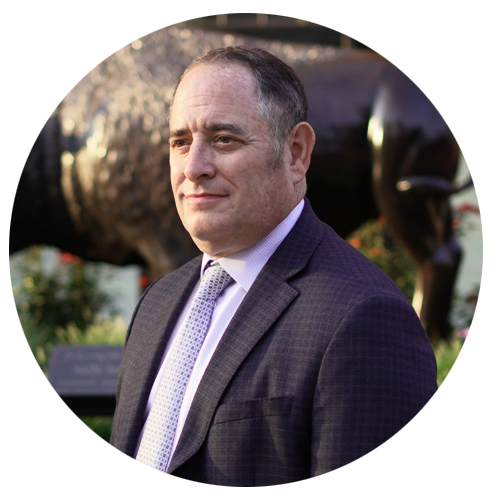
Arthur Pressman focuses in the areas of DWI, traffic law and criminal defense.


Why the school season leads to more tickets 
Back to school brings early departures, crowded drop offs, and after practice drives at dusk. Teens encounter flashing beacons, buses making frequent stops, and pedestrians near crosswalks. Stress and inexperience combine in these settings. The first month of school often produces the most citations because teens are relearning routines while officers focus on safety in school zones.
Common violations during the fall term
The list is familiar even to careful families. School zone speeding, failure to yield in a crosswalk, rolling through a stop near campus, handheld phone use while creeping in traffic, and passing a stopped school bus with red lights flashing are frequent issues. A conviction for any of these can raise insurance rates. A cluster of tickets within eighteen months can also bring a suspension, which is especially disruptive for students who drive to class or work.
School zone speeding explained in plain English
School zone limits apply during the times shown on the signs or when beacons flash. Teens may assume a normal limit applies because the street looks wide or empty. A school zone conviction can add points and set a junior license on a path toward suspension. Before you choose how to respond, review a clear overview of speeding penalties and why reductions matter on the firm’s speeding page at https://www.arthurpressmanlaw.com/criminal-defense/speeding-tickets/ and use what you learn to plan next steps.
Passing a stopped school bus and why officers take it seriously
When a bus flashes red lights, traffic in both directions must stop on undivided roads. Teens sometimes misjudge distance or do not see a student stepping into the road from the opposite side. A first offense can be expensive and puts points on the record. If your teen is cited, collect details quickly. Note the bus company, location, lane position, lighting, weather, and whether the road is divided. Photos and dash video, when available, can help a lawyer evaluate the case and negotiate for a safer outcome.
Highly recommended Arthur pressman. I don’t live in Buffalo New York but while visiting my family there from Florida. I got pulled over while driving on a, suspended license in Florida. They arrested me and gave me a court date to appear in court and due to me living out of state I just could not afford to go back and forth to buffalo from Florida so that’s when I hired Arthur Pressman. He made sure to handle everything for me and kept me informed with what was going on. I received no points no penalties and the case was dropped. Thank you Arthur pressman your the best. Would definitely recommend you to family and friends. Crystal B.
Phones, playlists, and distracted driving around campus
Phones tempt even careful teens during slow school congestion. New York prohibits handheld device use while driving. A quick glance to reply or change a playlist can result in a citation, even if there was no crash. The impact goes beyond a fine because insurers consider phone tickets a sign of higher risk. Placing the phone in a glove box or using a true hands free setup before leaving helps. Parents model this habit on every school run, which reduces the chance of a stop.
Junior license rules that catch families off guard
Teens with a junior license face added limits on passengers and nighttime driving. A moving violation can combine with a junior license restriction and lead to a suspension. Read the ticket closely to see whether the officer noted passenger counts, time of day, or other restrictions. An attorney can explain how the rules apply based on where the stop happened and whether the teen was on the Thruway, in a village, or on a state route near a school.
The difference between infractions and misdemeanors
New York treats most moving violations as infractions, which carry fines and points. A smaller group of charges, such as reckless driving, are misdemeanors with heavier consequences. Understanding which category your teen faces shapes strategy and expectations. For a plain language overview, see the firm’s page on the difference between traffic infractions and misdemeanors at https://www.arthurpressmanlaw.com/the-difference-between-traffic-infractions-and-misdemeanors-in-new-york/ and use it to frame a realistic plan.
Will an Attorney Save Me Money? Do I Need to Go to Court?Related Videos
Points and insurance in the real world
Insurers review records at renewal. A single conviction can bump a premium. Multiple convictions within eighteen months magnify the risk. New York can also apply a Driver Responsibility Assessment when point totals reach certain levels, which adds cost over time. A negotiated reduction is often about more than avoiding court. It is about shaping the record so insurance stays as steady as possible while your teen gains experience on the road.
Under 21 alcohol issues during the school year
Zero tolerance rules apply to drivers under twenty one. Even a small amount of alcohol in the system can lead to license consequences that last a year or more. If alcohol is part of the stop, move quickly and seek guidance that focuses on eligibility for a conditional license, the testing record, and the timeline for a hearing. For a focused summary of underage penalties in New York, visit the firm’s page at https://www.arthurpressmanlaw.com/penalties-for-dwi-under-21/ and then discuss the specifics with counsel.
What to do in the first seventy two hours after a teen receives a ticket
Start by staying calm and gathering facts. Ask your teen to write down what happened while details are fresh. Capture the date, approximate time, location, direction of travel, traffic light status, whether beacons were flashing, and whether a bus had its red lights on. Photograph the area from the driver’s perspective and include any signs. Save dash cam footage. Read the ticket and mark the response deadline on a family calendar. Do not pay the fine unless you intend to accept the conviction that comes with it. A not guilty response preserves your ability to review the evidence and seek a reduction.
How an attorney helps families in Buffalo and nearby communities
A lawyer clarifies the specific charge and the likely outcomes based on the court that will hear the case. In many Western New York courts, a lawyer can appear without your teen missing class. Counsel evaluates radar or lidar documentation, the placement and timing of school zone beacons, bus stop procedures, and any discrepancies in the officer’s notes. With complete information, a lawyer negotiates toward fewer points, a reduced charge, or a dismissal when the facts support it. The goal is to protect the license and manage insurance exposure with the long view in mind.
Case Results
Local context that matters in Western New York
Teens in Erie and Niagara counties often drive through a mix of city streets, village centers, and rural stretches that funnel toward school campuses. Mornings bring glare on eastbound routes and afternoons bring long sun angles that make pedestrians harder to see. Fall weather can shift from dry to wet within a short drive. Encourage your teen to leave a few minutes earlier, turn on headlights when visibility dips, and anticipate buses that make repeated stops on residential streets near schools.
Habits that reduce the chance of a stop
Simple routines make a difference during the school term. Set the phone to a driving mode before leaving. Choose routes that avoid heavy left turns near campuses. Keep passenger counts low during the first months of the school year so the driver can focus. Clean the windshield inside and out because a clear view helps with early dusk and headlight glare. These habits may seem small, yet they are the ones that keep teens out of difficult situations.
When to ask for help
If your teen holds a junior license, if a ticket lists multiple charges, or if the stop involved a school zone or a bus, speak with a lawyer before you respond. The firm’s New York State Traffic Violations Guide gives families a helpful overview of the process and options at https://www.arthurpressmanlaw.com/new-york-state-traffic-violations-guide/ and it pairs well with a short consultation that applies those ideas to your teen’s facts.
How Arthur L. Pressman Attorney at Law supports your family
Parents in Buffalo, Amherst, Cheektowaga, and the surrounding areas look for practical advice, efficient court handling, and a focus on long term consequences rather than quick fixes. Arthur L. Pressman, Attorney at Law, concentrates on traffic and DWI defense across Western New York and brings decades of local courtroom experience to teen cases. The firm handles speeding, school zone, cell phone, and bus related charges every week. If you are ready to move forward, you can reach the office through the contact page at https://www.arthurpressmanlaw.com/contact-us/ to schedule a conversation that fits your student’s calendar.

|
|