
Buffalo Bills game days can put thousands of drivers on roads around Orchard Park, Buffalo, and nearby Western New York communities before and after tailgates, watch parties, and stadium events. If police believe alcohol, cannabis, prescription medication, or another drug affected your driving, a game-day stop can lead to DWAI, DWI, aggravated DWI, drug-impaired driving, a chemical-test refusal proceeding, or related traffic and criminal allegations.
An arrest is not a conviction. The reason for the stop, what an officer observed, what testing occurred, what you said, and whether police followed required procedures can affect the case. Arthur L. Pressman, Attorney at Law represents people facing DWI, traffic, and criminal charges in Buffalo, Erie County, Western New York, and nearby areas.
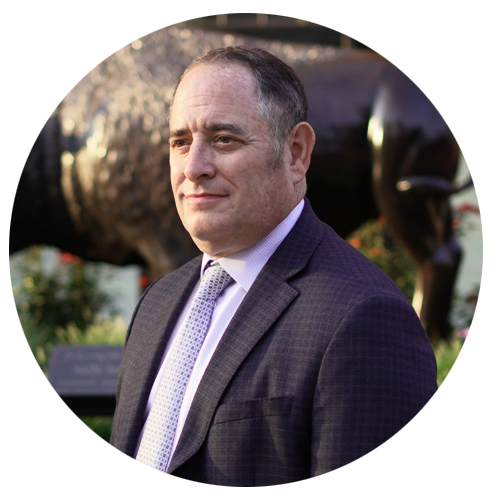
Arthur Pressman focuses in the areas of DWI, traffic law and criminal defense.


Why Buffalo Bills Game Day Can Lead to DWI Investigations 
Football season changes traffic patterns around Buffalo and Orchard Park. You may leave a tailgate, restaurant, private home, bar, or watch party at the same time as thousands of other people. Congestion, detours, pedestrians, unfamiliar parking exits, temporary traffic controls, and late-night driving can affect how vehicles move around the stadium area.
A traffic stop may begin with an alleged violation such as:
- Speeding.
• Failing to signal.
• Crossing a lane line.
• Following too closely.
• Making an improper turn.
• Disobeying a traffic-control device.
If an officer then reports an odor of alcohol, unusual speech, red or watery eyes, difficulty producing documents, unsafe driving, or other signs of possible impairment, the stop may expand into a DWI investigation.
Game-day conditions do not change the legal standards that apply to a traffic stop or arrest. The reason for the stop, what the officer actually observed, and whether video supports the written report can become central issues.
I was advised by a mutual acquaintance to contact Mr. Pressman following my DWI that I received on December 28, 2015. This was the best advice that I could have been given. He was available immediately to speak with. I was put at ease after speaking with him. It was my first DWI and I had no idea what to expect. It was an isolated case of making a very foolish decision to drive. I had so much anxiety and fear of the unknown. Throughout my whole case Mr. Pressman was very reassuring and kept a positive attitude about what my outcome was going to be. He was available several times when I had random questions and never made me feel like an inconvenience. He was right! My case ended up being reduced to a violation from a misdemeanor and now I can finally begin to have my life back to normal. It was a hard lesson to learn but with the right attorney by your side the transition will be easier. Anita D.
What DWI and DWAI Charges Can You Face in New York?
New York Vehicle and Traffic Law Section 1192 creates several alcohol and drug-related driving offenses. The charge depends on the evidence that police and prosecutors claim supports impairment or intoxication.
Driving While Ability Impaired by Alcohol, or DWAI, under VTL 1192(1), generally applies when alcohol has impaired your ability to operate a vehicle. A first DWAI-alcohol offense is a traffic infraction rather than a misdemeanor. New York DMV materials list a first-offense fine of $300 to $500, possible jail of up to 15 days, and a 90-day license suspension for a driver age 21 or older.
Per se DWI under VTL 1192(2) generally involves a blood alcohol concentration of .08 percent or higher. Common-law DWI under VTL 1192(3) does not require a particular BAC reading if the prosecution claims other evidence proves intoxication. A first DWI offense is generally a misdemeanor. New York DMV materials list a $500 to $1,000 fine, up to one year in jail, and a minimum six-month license revocation for a first offense.
Aggravated DWI under VTL 1192(2-a)(a) applies when a qualifying chemical test shows a BAC of .18 percent or higher. A first aggravated DWI is generally a misdemeanor. New York DMV materials list a $1,000 to $2,500 fine, up to one year in jail, and a minimum one-year license revocation for a first offense.
For more information about first-offense DWI penalties, visit:
https://www.arthurpressmanlaw.com/buffalo-dwi-attorney-discusses-the-penalties-for-a-first-time-dwi/
Drug and Combination-Impairment Charges After a Game
Alcohol is not the only substance that can lead to a game-day impaired-driving arrest. New York also prohibits driving while ability impaired by a drug under VTL 1192(4) and driving while ability impaired by the combined influence of drugs or alcohol and drugs under VTL 1192(4-a).
These cases can involve cannabis, prescription medication, controlled substances, or more than one substance. You can face a drug-related impaired-driving charge even without an alcohol BAC at or above .08 percent. Police and prosecutors may rely on driving observations, statements, field sobriety testing, physical observations, toxicology results, drug-recognition evidence, or other circumstances.
If prescription medication is involved, a valid prescription does not by itself resolve whether the elements of a specific impaired-driving offense can be proven. The facts, test results, dosage information, timing, observations, and other evidence may matter.
Choosing a DWI Lawyer Cost of a DWI AttorneyRelated Videos
What Happens If You Refuse a Chemical Test?
New York law treats a roadside preliminary breath screening request differently from an evidentiary chemical test requested under VTL 1194. If police allege that you refused a qualifying chemical test after the required warnings, the refusal can trigger a separate DMV proceeding.
For many adult drivers, a first refusal finding can result in a one-year license revocation, subject to the applicable statute and the driver’s record. The refusal proceeding is separate from the criminal DWI case. A DMV refusal hearing focuses on specific questions, including:
- Whether police had reasonable grounds to believe you had been driving in violation of VTL 1192.
• Whether the arrest was lawful.
• Whether you received sufficient refusal warnings in clear and unequivocal language.
• Whether you refused the chemical test or a portion of it.
A refusal can also become evidence in a DWI proceeding when the legal requirements for admission are satisfied.
For more information about breath testing, visit:
https://www.arthurpressmanlaw.com/buffalo-dwi-attorney-discusses-if-you-should-take-the-breath-test/
Related Charges That Can Appear in a Football-Weekend Stop
A single football-weekend traffic stop can produce more than one allegation. Depending on the facts, you may also face:
- Aggravated unlicensed operation if your license or New York driving privilege was suspended or revoked.
• Open-container allegations if police claim alcohol was consumed or possessed in a manner prohibited by New York law.
• Reckless driving or other moving violations based on the alleged manner of driving.
• Leaving-the-scene allegations if a collision occurred and the required legal duties at the scene were not satisfied.
• Aggravated DWI with a child passenger when a qualifying DWI or drug-impaired offense is alleged while a child age 15 or younger is in the vehicle.
A related traffic or criminal charge does not automatically prove a DWI allegation. Each charge has its own legal elements and should be reviewed separately.
What Evidence Matters After a Buffalo Bills Game Day DWI Arrest?
DWI cases often depend on details that can be difficult to reconstruct after time passes. A defense review may examine:
- The legal basis for the traffic stop.
• Body-camera and dash-camera footage.
• The officer’s description of your driving.
• Field sobriety test instructions, administration, and conditions.
• Breath-test records, maintenance information, and testing procedures.
• Blood-test warrants, collection records, and laboratory results.
• Statements attributed to you.
• Refusal warnings and DMV paperwork.
• Witness accounts, receipts, parking information, and phone location data when relevant.
• Traffic conditions, lane closures, pedestrian activity, and directions from traffic personnel when relevant.
Game-day traffic can matter. Sudden braking, slow movement, lane changes, or hesitation can have explanations related to congestion, blocked lanes, pedestrians, parking exits, or traffic-control instructions. Video and other records may help show whether an officer’s description fairly captures what happened.
Congestion can affect how normal driving looks. Video, traffic-control records, and witness information can help place the officer’s observations in context.
For a broader explanation of Buffalo DWI representation, visit:
https://www.arthurpressmanlaw.com/buffalo-dwi-and-traffic-court-attorney/
What Should You Do After a Game-Day Arrest?
If you have already been arrested, focus on preserving information and following court and DMV requirements. Avoid discussing the facts of the case on social media. Do not contact witnesses for the purpose of coordinating accounts of what happened.
Keep every ticket, appearance notice, release document, refusal notice, property receipt, and testing paper. Write a private timeline while the events are fresh in your memory. Include:
- Where you were before the stop.
• When you left.
• Who was with you.
• What you remember drinking, taking, or consuming.
• What the officer said.
• Which roadside or chemical tests were requested.
• What instructions or warnings you received.
• Whether you remember body cameras, dash cameras, surveillance cameras, or witnesses.
• Anything unusual about traffic, weather, road conditions, parking exits, or police traffic control.
Do not drive if your license or driving privilege has been suspended or revoked. Driving while suspended can create an additional legal problem.
For information about restricted and conditional license issues, visit:
https://www.arthurpressmanlaw.com/buffalo-dwi-lawyer-explains-a-restricted-or-conditional-license/
How a Buffalo DWI Attorney Can Help
A Buffalo DWI attorney can identify the exact charges, court dates, license issues, testing evidence, and deadlines that apply to your case. Your attorney can compare police reports with available video, review the legal basis for the stop and arrest, examine chemical-test procedures, analyze refusal issues, and evaluate whether the prosecution can prove each required element.
Arthur L. Pressman has more than 35 years of experience handling DWI, traffic, and criminal matters in Buffalo and Western New York. A Bills game-day arrest may be handled in a town, city, or county court depending on where the stop occurred and what was charged. Familiarity with local courts and procedures can help counsel identify the deadlines and practical issues that apply to your case.
Learn more about Arthur Pressman’s background:
https://www.arthurpressmanlaw.com/attorney-profile/
Talk With a Buffalo DWI Attorney After a Game-Day Arrest
If a Buffalo Bills game, tailgate, watch party, or postgame drive led to a DWI, DWAI, chemical-test refusal allegation, or related charge, you can have the facts reviewed and learn which legal options may apply.
Arthur L. Pressman, Attorney at Law represents people in Buffalo, Orchard Park, Williamsville, Erie County, Western New York, and nearby areas. The firm has more than 35 years of experience handling DWI, traffic, and criminal matters.
Call (716) 517-4250 to request a case evaluation, or visit:
https://www.arthurpressmanlaw.com/contact-us/
This article is for informational purposes only and is not legal advice. Consult an attorney about your specific situation.