
When you receive a traffic ticket in New York, the immediate reaction is often to pay the fine and forget about it. However, before you decide to simply pay it off, you should weigh the long-term implications of such a choice. Paying a ticket without contesting it might seem like the easiest option, but it could result in hefty fines, points on your license, higher insurance premiums, or even the suspension of your driver’s license. Contesting the ticket, on the other hand, may help reduce the penalties and sometimes even result in the ticket being dismissed. This blog post delves into the pros and cons of paying versus fighting a traffic ticket in New York, along with situations where one option may be better than the other.
Arthur Pressman focuses in the areas of DWI, traffic law and criminal defense.



Understanding the Consequences of Paying a Traffic Ticket 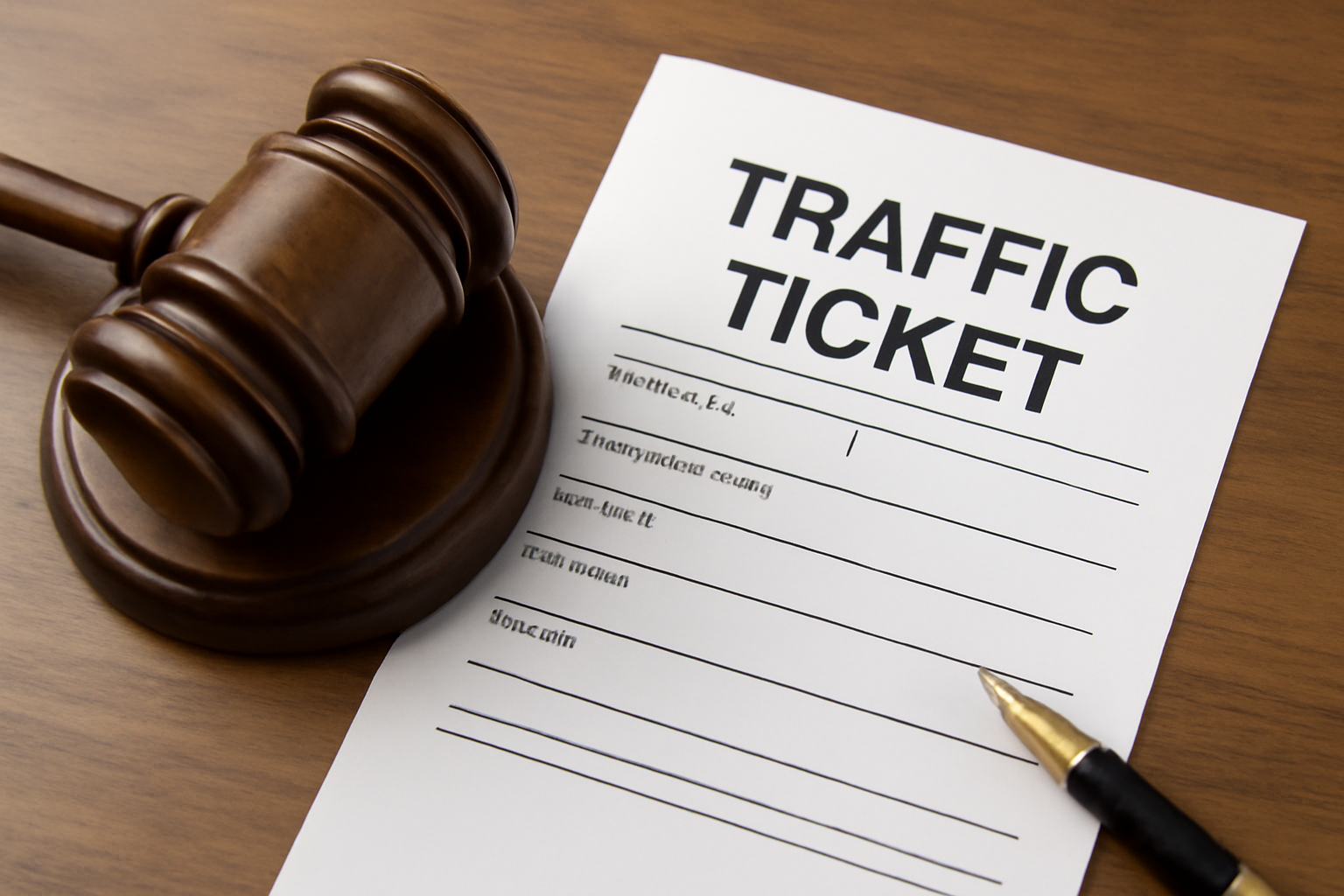
When you receive a traffic ticket, it can be tempting to just pay it and move on. It seems simpler, faster, and avoids the hassle of going to court. However, what many drivers don’t realize is that paying a ticket is an admission of guilt, which can have long-lasting consequences. Here’s what happens when you decide to just pay your traffic ticket:
1. Fines Can Add Up Quickly
The most immediate consequence of paying a traffic ticket is the fine. The amount can vary depending on the offense. For minor infractions like speeding or running a red light, the fine might not be particularly high. However, other violations such as driving without insurance or being caught driving under the influence (DUI) can carry much higher fines.
While the fine may seem like the end of the story, it’s important to understand that it might not be. In addition to the direct cost of the ticket, paying the fine could lead to increased costs down the road, such as higher insurance premiums.
2. Points on Your License and the Risk of Suspension
New York state uses a point system for traffic violations. For example, running a red light might result in 3 points, while speeding could result in 3 to 6 points depending on how much you exceed the speed limit. These points are added to your driving record, and accumulating too many points can lead to severe consequences, such as a suspended or revoked license.
Highly recommended Arthur pressman. I don’t live in Buffalo New York but while visiting my family there from Florida. I got pulled over while driving on a, suspended license in Florida. They arrested me and gave me a court date to appear in court and due to me living out of state I just could not afford to go back and forth to buffalo from Florida so that’s when I hired Arthur Pressman. He made sure to handle everything for me and kept me informed with what was going on. I received no points no penalties and the case was dropped. Thank you Arthur pressman your the best. Would definitely recommend you to family and friends. Crystal B.
- 6 points: Can lead to a warning letter from the New York Department of Motor Vehicles (DMV).
- 11 points: A suspension of your driver’s license could occur, forcing you to stop driving temporarily.
- More than 11 points: Your driving privileges could be permanently revoked.
Each point on your record stays for 18 months from the date of the offense, so paying your ticket without contesting it can lead to a cumulative effect on your record. Over time, the points may stack up, and you may lose your ability to legally drive.
3. Higher Insurance Premiums
Insurance companies consider your driving record when determining your premium rates. Points on your license can increase your premiums significantly, sometimes by hundreds of dollars per year. In New York, drivers with multiple violations or significant offenses may even be required to carry high-risk auto insurance, known as SR-22 insurance, which is significantly more expensive than standard coverage.
Moreover, paying a ticket without contesting it means the insurance company will be notified of the infraction, and they may raise your rates to reflect your perceived higher risk.
Will an Attorney Save Me Money? Do I Need to Go to Court?Related Videos
4. The Risk of Criminal Consequences
In some situations, paying a traffic ticket can be an admission of guilt for a criminal offense, especially for serious violations such as DUI or reckless driving. For criminal traffic offenses, paying the ticket could carry criminal consequences, such as a criminal record, probation, or jail time. For example:
- DUI (Driving Under the Influence): A first offense may lead to a criminal record and mandatory alcohol education classes.
- Reckless Driving: Convictions for reckless driving can lead to license suspension, fines, and even jail time.
It’s essential to review the ticket carefully and understand the full extent of the charges you’re agreeing to by simply paying the fine.
When Paying a Ticket Might Be the Right Decision
While paying a ticket without contesting it is not ideal in many situations, there are cases where it may be the best course of action. Here are some scenarios when paying a traffic ticket might be the most reasonable option:
Case Results
1. Minor Violations
For small offenses, such as parking violations, a single speeding ticket with a low fine, or a simple equipment violation (e.g., broken taillight), paying the ticket may be quicker and easier than going to court. In such cases, the fines may be minimal, and the risk of points accumulating on your license is low. If the violation is unlikely to have a long-term impact on your driving record or insurance rates, paying it may save you time and effort.
2. First-Time Offenders
If it’s your first time being ticketed and the offense is not serious, paying the ticket can sometimes be a way to avoid the hassle of a court case, especially if you don’t expect it to have much of an impact. Many first-time offenders may be tempted to pay the ticket simply to move on with their lives. However, this decision should still be considered carefully in light of the possible consequences mentioned above.
3. Busy Schedule and No Time for Court
Sometimes, life gets in the way. You may have a busy schedule and not be able to dedicate time to fighting a traffic ticket in court. If the ticket is relatively minor, and you’re unable to attend court due to work or personal commitments, paying the fine may be your only practical option. However, you should consider the long-term costs before you make this decision.
When Fighting a Traffic Ticket Makes Sense
In many cases, contesting a traffic ticket may be in your best interest. Here are some reasons why you should consider fighting the ticket rather than paying it:
1. Weak or Insufficient Evidence
If the evidence against you is weak or flawed, fighting the ticket could lead to a dismissal. For example:
- Faulty radar equipment: If you were ticketed for speeding but the radar gun used by the officer was faulty, there may be a reasonable chance the ticket can be thrown out.
- Witness Testimony: If the officer who issued the ticket made an error in judgment or misinterpreted the situation, you may be able to present your side in court and get the ticket dismissed.
2. Plea Bargaining
In New York, you may have the option to negotiate with the prosecutor for a lesser offense. By contesting the ticket, you might be able to reduce the fine, the points, or even get the ticket dismissed entirely in exchange for a guilty plea to a lesser charge. For example, if you were ticketed for speeding but can demonstrate mitigating factors, you might be able to negotiate for a non-moving violation or a reduction in points.
3. Defenses That Could Lead to Dismissal
You may have a valid legal defense that could lead to the dismissal of the ticket. Some common defenses in traffic cases include:
- Mistaken identity: You were not the person driving the vehicle at the time of the violation.
- Necessity: You were forced to violate the law due to an emergency situation.
- Improper signage or road conditions: The violation occurred because of confusing or missing road signs.
Consulting with an attorney can help you determine whether you have a valid defense.
If you’re unsure whether to pay or contest a traffic ticket, it’s always wise to consult with a traffic attorney. A lawyer who specializes in traffic law can provide you with a clear understanding of the charges, the potential consequences, and your options moving forward. At Arthur L. Pressman, Attorney at Law, we offer free consultations to help you navigate your traffic ticket situation.
A skilled attorney can assess the circumstances of your case, examine the evidence, and help you decide whether it’s worth contesting the ticket. In many cases, an attorney may be able to get your ticket reduced or dismissed entirely, saving you money in the long run.
To learn more about this subject click here: 5 Common Traffic Violation Questions

|
|