
Buffalo roadways see increased enforcement activity during the Fourth of July holiday period, including DWI checkpoints across Erie County and surrounding Western New York communities. These checkpoints are designed to identify impaired driving, reduce alcohol-related crashes, and promote roadway safety during one of the busiest travel weekends of the year. Drivers may experience brief stops, documentation checks, and further evaluation if impairment is suspected. Arthur L. Pressman, Attorney at Law, represents individuals facing DWI allegations arising from these enforcement operations and helps them understand how checkpoint procedures can affect their rights, driving privileges, and case outcomes.
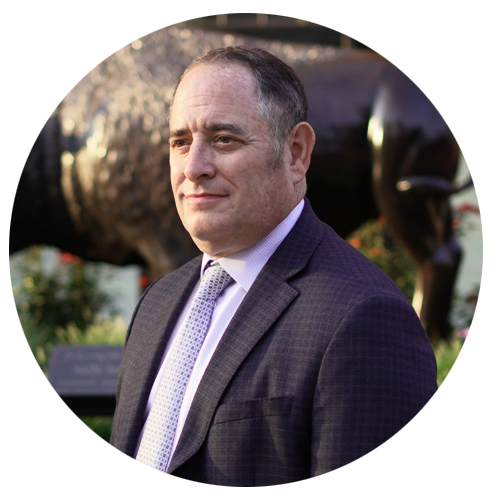
Arthur Pressman focuses in the areas of DWI, traffic law and criminal defense.


Buffalo Fourth of July DWI Checkpoints: What Drivers Should Expect 
Arthur L. Pressman, Attorney at Law regularly assists drivers throughout Buffalo and Western New York who are stopped, questioned, or charged with DWI during high-enforcement holiday periods. The Fourth of July weekend is one of the most active times for roadside enforcement in the region, with law enforcement agencies increasing patrol visibility and establishing structured checkpoints in an effort to deter impaired driving before it leads to serious accidents or fatalities.
Why Buffalo Sees Increased DWI Enforcement During the Fourth of July
The Fourth of July holiday period brings a predictable surge in roadway activity across Buffalo, Erie County, and nearby communities. Between gatherings, fireworks events, waterfront celebrations, and late-night travel, police agencies anticipate an increased risk of impaired driving incidents. As a result, enforcement strategies become more visible and more structured, including stationary checkpoints and saturation patrols in targeted areas.
These enforcement efforts are typically placed along major commuting routes, suburban access points, and corridors with historically higher rates of alcohol-related collisions. Officers are trained to observe traffic patterns and driver behavior in a controlled environment where brief interactions can quickly identify potential impairment indicators. While many drivers pass through without issue, the presence of checkpoints alone often serves as a deterrent against unsafe decisions.
For more insight into how DWI stops are generally handled in Western New York enforcement settings, see:
https://www.arthurpressmanlaw.com/buffalo-dwi-attorney-discusses-what-will-happen-when-you-are-pulled-over-for-dwi/
I was advised by a mutual acquaintance to contact Mr. Pressman following my DWI that I received on December 28, 2015. This was the best advice that I could have been given. He was available immediately to speak with. I was put at ease after speaking with him. It was my first DWI and I had no idea what to expect. It was an isolated case of making a very foolish decision to drive. I had so much anxiety and fear of the unknown. Throughout my whole case Mr. Pressman was very reassuring and kept a positive attitude about what my outcome was going to be. He was available several times when I had random questions and never made me feel like an inconvenience. He was right! My case ended up being reduced to a violation from a misdemeanor and now I can finally begin to have my life back to normal. It was a hard lesson to learn but with the right attorney by your side the transition will be easier. Anita D.
How DWI Checkpoints Operate in Buffalo
When approaching a checkpoint, drivers are typically funneled into a designated lane where law enforcement officers conduct brief, structured interactions. These stops are designed to move traffic efficiently while still allowing officers to observe driver behavior and ensure compliance with basic vehicle and licensing requirements.
During this initial stage, officers may request standard documentation such as a driver’s license, registration, and proof of insurance. At the same time, they observe speech patterns, eye movement, coordination, and any visible indicators that could suggest impairment. Most drivers experience only a short delay before being allowed to continue on their way.
However, if an officer notices potential signs of impairment, the interaction may become more detailed. This can include additional questioning, requests to step out of the vehicle, or referral to secondary screening areas for further evaluation.
Field Evaluations and Officer Observations
If a driver is suspected of impairment, officers may conduct roadside assessments designed to evaluate coordination, balance, and cognitive responsiveness. These evaluations are often standardized but can still be influenced by environmental factors such as weather conditions, lighting, footwear, fatigue, or anxiety.
Common roadside assessments may involve walking in a straight line, maintaining balance on one leg, or following visual cues with the eyes. While these tests are widely used, they are not infallible indicators of intoxication. Courts often examine how these evaluations were conducted, whether instructions were properly given, and whether external conditions may have affected performance.
Drivers are often unaware that even minor inconsistencies or misunderstandings during these evaluations can later become central issues in a legal defense.
To better understand how these evaluations are treated in enforcement cases, visit:
https://www.arthurpressmanlaw.com/buffalo-dwi-attorney-discusses-sobriety-tests/
Choosing a DWI Lawyer Cost of a DWI Attorney Our Buffalo DWI lawyer explains DWI, DWAI, aggravated DWI, and the possible penalties. A Buffalo DWI lawyer can review the court and DMV issues in your case. Read about hardship-license eligibility and underage drinking penalties. Speak with a Buffalo DWI lawyer about the stop, testing, and available defenses. Call (716) 517-4250 for a free consultation.Related Videos
Understand the charge
Protect your ability to drive
Discuss your next step
Checkpoint Procedures and Legal Scrutiny
DWI checkpoint cases frequently involve detailed review of procedural compliance. Courts may examine whether the checkpoint followed proper planning guidelines, whether supervisory approval was obtained, and whether officers adhered to standardized protocols during stop interactions.
Small procedural details can carry significant weight. The placement of signage, lighting conditions, traffic control measures, and consistency of stop duration may all be relevant in evaluating whether a driver’s rights were properly respected during the encounter.
Because of this, checkpoint-related DWI cases often require careful review of both the initial stop and the actions taken after suspicion arises. Even when evidence appears straightforward, procedural irregularities can affect how that evidence is ultimately treated.
Open Containers and Additional Enforcement Issues
During Fourth of July enforcement operations, officers often remain alert for additional violations beyond impairment, including the presence of open alcoholic beverages in vehicles. Even when a driver is not found to be intoxicated, open container violations can result in citations or further investigation.
These situations may complicate an otherwise routine stop, especially when passengers are present or when multiple potential violations are identified. In some cases, what begins as a brief checkpoint interaction can expand into a broader inquiry involving multiple aspects of vehicle compliance and driver behavior.
More information on related enforcement concerns can be found here:
https://www.arthurpressmanlaw.com/buffalo-dwi-attorney-discusses-open-containers/
What Happens After a DWI Arrest in Buffalo
If a driver is arrested following a checkpoint stop, the legal process moves quickly. Individuals are typically transported for processing, where administrative steps such as fingerprinting, documentation, and chemical testing may occur. After processing, the case proceeds to arraignment, where formal charges are presented in court.
At this stage, conditions of release may be set, and drivers may face immediate restrictions on driving privileges or travel. The early phase of a DWI case is often critical, as decisions made at this point can influence later outcomes, including negotiation opportunities and defense strategy development.
Understanding this process can help individuals better prepare for what follows after a holiday weekend arrest.
For additional context, see:
https://www.arthurpressmanlaw.com/buffalo-dwi-attorney-discusses-arraignments/
Potential Consequences of a DWI Charge in Buffalo
A DWI charge in New York carries potential consequences that vary depending on prior history, test results, and case-specific circumstances. Even first-time charges can lead to fines, license suspension, mandatory programs, and increased insurance costs.
More serious cases may involve enhanced penalties, ignition interlock requirements, or possible incarceration. Beyond legal penalties, individuals may also experience professional and personal consequences that extend well beyond the courtroom.
Because each case is unique, outcomes depend heavily on evidence, procedural details, and how the facts are presented in court.
More details on penalties can be found here:
https://www.arthurpressmanlaw.com/buffalo-dwi-attorney-discusses-the-penalties-for-a-first-time-dwi/
Driver Rights During Checkpoint Stops
Drivers retain important constitutional rights during checkpoint encounters, including the right to remain silent beyond providing identification and vehicle documentation. However, the scope of these rights can shift depending on whether an arrest occurs and whether chemical testing becomes legally required under New York’s implied consent laws.
Understanding the distinction between voluntary roadside interactions and post-arrest obligations is essential for anyone navigating a checkpoint situation. Many legal issues arise from misunderstandings about what is required versus what is optional during these encounters.
How Legal Representation Can Help After a Holiday Checkpoint Stop
When a DWI charge arises from Fourth of July enforcement activity, a detailed review of the checkpoint procedures, officer observations, and testing methods is essential. Each stage of the stop can contain important details that may influence how the case is handled in court.
Arthur L. Pressman, Attorney at Law assists individuals throughout Buffalo and Western New York by carefully examining enforcement actions, identifying potential procedural issues, and developing defense strategies tailored to the specific facts of each case. Early legal involvement can be critical in preserving rights and evaluating available options.
If you are facing charges following a Fourth of July checkpoint stop, Arthur L. Pressman, Attorney at Law is available to review your situation and explain your legal options under New York law.
Disclaimer:
This content is for informational purposes only and does not constitute legal advice. Consult an attorney regarding your specific circumstances.